
6-8 William Street, Nambour, Sunshine Coast

Understanding Criminal Evidence: How Butler McDermott Lawyers Can Help Defend Your Case

When facing criminal charges, the strength of the evidence presented can determine the outcome of a trial. Understanding how evidence is assessed, presented, and challenged is crucial for both defendants and legal professionals. In this blog, we explore the role of evidence in criminal cases and how it influences defence strategies.

The Role of Evidence in a Criminal Trial

Evidence forms the foundation of any criminal case. The jury relies solely on the evidence presented in court to determine whether a defendant is guilty or not guilty. Without reliable and admissible evidence, the prosecution cannot prove its case beyond a reasonable doubt. Defence lawyers play a critical role in analysing the prosecution’s evidence and ensuring that all legal standards are met.

Types of Evidence and Their Impact on Defence Strategy

Different types of evidence play a crucial role in criminal trials, each requiring a specific approach from the defence team.

  • Witness Testimonies: These provide firsthand accounts of events but can be unreliable due to biases, poor memory, or personal motives. Defence lawyers assess credibility by examining inconsistencies, potential incentives to lie, and the overall reliability of the witness’s recollection.
  • Physical Evidence: Items such as weapons, fingerprints, and forensic samples must be properly collected, stored, and analysed to avoid contamination or misinterpretation. Defence lawyers may challenge how evidence was obtained and whether proper procedures were followed.
  • Documentary Evidence: This includes official records, contracts, and other written documents used to verify claims made in court. The defence may scrutinise the authenticity and relevance of such evidence, as well as any discrepancies that could cast doubt on the prosecution’s case.
  • Digital Evidence: Emails, text messages, phone records, and social media posts are increasingly used in trials to establish timelines and intent. However, digital evidence must be carefully extracted and analysed to ensure accuracy and prevent misinterpretation. Defence teams often challenge incomplete data disclosure or digital evidence taken out of context.
  • Photographic and Video Evidence: While visual evidence can be compelling, it must be examined for authenticity and context. Manipulated or misleading footage can distort reality, so defence lawyers work to verify the accuracy and relevance of such materials.


A strong defence strategy involves identifying weaknesses in each type of evidence and challenging any inconsistencies that may support the defendant’s case.

Assessing the Reliability and Strength of Evidence

Not all evidence holds equal weight in court. Defence lawyers assess its reliability by examining factors such as witness credibility, potential biases, and the accuracy of their recollections. Since human memory is fallible, exaggerated or inconsistent statements can weaken the prosecution’s case.

Forensic and digital evidence must also be scrutinised. If any findings contradict the prosecution’s narrative or create reasonable doubt, they can be used to challenge the case against the defendant. A thorough assessment ensures that unreliable or improperly obtained evidence does not unfairly influence the trial outcome.

The Role of Expert Witnesses in Criminal Cases

Expert witnesses play a crucial role in clarifying complex evidence for the jury. Their specialised knowledge provides an authoritative perspective that can support the defence or challenge the prosecution’s case.

  • Forensic Scientists: Analyse DNA, toxicology reports, and crime scene evidence to determine links between suspects and criminal activity.
  • Medical Professionals: Assess injuries to establish their severity, cause, and consistency with the alleged offence. Their testimony can clarify whether an injury meets the legal definition of grievous bodily harm or another charge.
  • Digital Forensic Experts: Examine phone records, emails, and online activity to verify or dispute claims. They can track locations, assess whether digital communications have been altered, and highlight missing context in electronic evidence.


By presenting clear and credible explanations, expert witnesses help the court make informed decisions, reinforcing the defence strategy or exposing flaws in the prosecution’s claims.

The Importance of Digital Evidence and Common Pitfalls

With technological advancements, digital evidence has become a key component in criminal cases. Investigators often use forensic tools like Cellebrite to extract messages, call logs, and deleted content from electronic devices. However, handling digital evidence presents significant challenges.

One major pitfall is incomplete data disclosure. If defence lawyers do not request full access to digital records, key information that could support the defendant’s case may be missed. Additionally, digital evidence can be misinterpreted when taken out of context—a text message or social media post may appear incriminating without proper background information.

Improper handling of digital data can render it inadmissible in court. If digital evidence is obtained unlawfully or tampered with, it may be excluded from the trial, significantly affecting the prosecution’s case. Defence lawyers must ensure digital evidence is collected and analysed correctly while identifying any weaknesses that could challenge its validity.

How Clients Can Help Protect Crucial Evidence

Defendants play a key role in safeguarding evidence that could impact their case.

  • Provide All Relevant Documents: Clients should share any written records, emails, and messages with their lawyer to ensure a full understanding of the case.
  • Assist in Preparing a Trial Statement: This ensures that their version of events is accurately documented and presented in court.
  • Identify Potential Witnesses: If police investigators fail to approach key witnesses, their testimony could still provide valuable insights that strengthen the defence.


By working closely with their legal team, defendants can help build a comprehensive defence strategy that accounts for all available evidence.

Consequences of Mishandled or Inadmissible Evidence

When evidence is mishandled or ruled inadmissible, it can significantly impact the trial’s outcome. If key prosecution evidence is excluded, it may weaken their case and make it difficult to prove guilt beyond a reasonable doubt. Jurors can only consider legally admissible evidence, which can sometimes work in favour of the defence.

Defence lawyers also have the opportunity to challenge improperly obtained evidence. If law enforcement violated legal procedures when collecting evidence, the defence may argue for its exclusion, potentially strengthening the defendant’s case. Ensuring all evidence meets legal standards is critical to securing a fair trial.

The Evolving Role of Technology in Criminal Evidence

Advancements in technology continue to reshape how evidence is gathered and analysed. Investigative tools can now retrieve vast amounts of data from electronic devices, providing new avenues for both prosecution and defence. While these technologies enhance law enforcement capabilities, they also raise concerns about privacy rights and the potential misuse of digital evidence.

Defence lawyers must stay informed about the latest technological developments to effectively challenge questionable digital evidence and protect their clients’ rights.

Need Legal Advice? Contact Butler McDermott Today

Successfully navigating a criminal case requires a deep understanding of how evidence is assessed and utilised in court. Whether facing charges or seeking legal advice, working with experienced criminal defence lawyers ensures that your rights are upheld and your case is handled with expertise.

If you or someone you know needs expert legal representation, contact Butler McDermott Lawyers today. Our experienced criminal defence team is here to provide the guidance and support you need.

Contact us today to schedule a consultation and discuss your legal options.

More news from Butler McDermott Lawyers

Jade Simpkins

Business Operations Coordinator

Mikaelah Marrable

Lawyer

Mikaelah is a dedicated family law solicitor at Butler McDermott Lawyers, guiding clients through some of life’s most pivotal and emotional moments with empathy and expertise.

Having studied law at the University of the Sunshine Coast and Central Queensland University, she has devoted her career to family law, an area she believes chose her as much as she chose it.

Mikaelah is passionate about helping clients navigate parenting arrangements, property settlements, and emotionally complex situations with clarity and confidence. She’s witnessed significant changes in family law, including stronger protections for victims of family and domestic violence and a heightened focus on children’s best interests, which align with her commitment to supporting vulnerable individuals.

Currently completing a Masters of Family and Domestic Violence, Mikaelah combines legal knowledge with a deeply personal approach. Backed by Butler McDermott’s collaborative team, she ensures clients receive comprehensive, compassionate support through every stage of their journey.

Callum Neal

Lawyer

Callum is a cornerstone of Butler McDermott Lawyers, known for his sharp legal mind, strategic approach, and dedication to client advocacy.

After completing his law studies at Griffith University (2014–2019) and earning a dual degree in commerce with a major in economics, Callum began his career in civil and commercial litigation before expanding into property and criminal law in 2021.

Passionate about litigation, he thrives on strategising cases from start to finish, guiding clients through complex legal challenges with clarity and determination. He’s driven by the competitive, rewarding nature of litigation and is committed to achieving swift, cost-effective results while supporting clients through emotionally demanding processes.

 His blend of legal expertise, strategic thinking, and community engagement make him a trusted advocate and a vital member of the firm.

Cheney Sewpersad

Lawyer

Cheney is a valued member of Butler McDermott Lawyers’ Personal Injuries Department, guiding clients through some of the most challenging times in their lives with clarity, compassion, and determination.

After completing a dual degree in Law and Criminology and Justice at the University of the Sunshine Coast (2018–2022) and graduating in 2023, Cheney began her legal career with a strong foundation in both legal principles and the broader justice system.

She focuses on personal injury and civil litigation, helping individuals affected by motor vehicle accidents, workplace incidents, public liability matters, and medical negligence navigate complex legal processes.

Cheney embraces evolving legal practices, with many of her matters resolved efficiently during the pre-court phase, achieving timely and cost-effective outcomes for clients. Deeply committed to making a meaningful impact, Cheney takes pride in supporting injured individuals and their families while growing her expertise toward becoming an accredited specialist in personal injuries law.

Kimberley Jane Sutton

Conveyancer

Kimberley Sutton is a highly respected conveyancer at Butler McDermott Lawyers, bringing over two decades of dedicated experience to the Sunshine Coast property industry.

Beginning her career at just 17, Kim has specialised in property transactions since 1999, earning a reputation for precision, efficiency, and unwavering client care. She expertly guides clients through significant milestones, whether buying their first home or selling a long-held property, ensuring every transaction is seamless and stress-free.

A valued member of Butler McDermott’s team, Kim embodies the firm’s century-long legacy of trust and excellence, fostering enduring relationships that often span generations. She’s widely respected by real estate professionals, mortgage brokers, and industry peers for her integrity and meticulous attention to detail. Supported by the firm’s collaborative leadership, Kim continues to set the standard for conveyancing on the Sunshine Coast, providing exceptional service and guidance at every step.
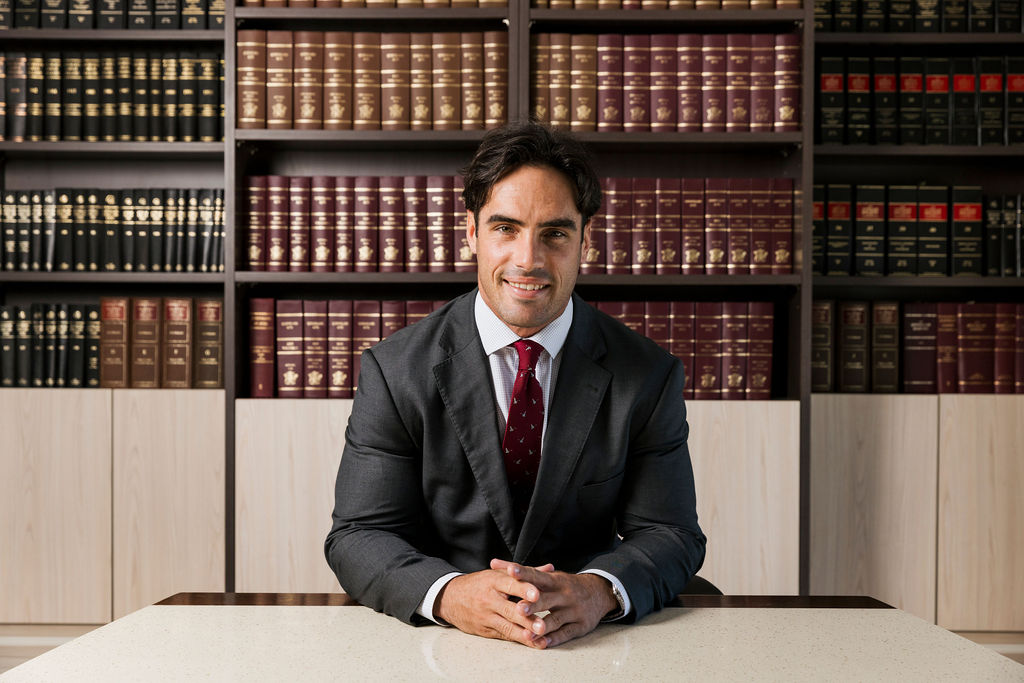
Miranda Osman

Lawyer

Miranda is a dynamic legal professional at Butler McDermott Lawyers, specialising in Commercial and Property law.

With a sharp eye for detail and a passion for client-focused solutions, she excels at turning complex legal challenges into opportunities for success. After studying law and criminology at Deakin University, while working full-time and completing a study abroad program, Miranda was admitted to the Supreme Court of Victoria in 2022 and to the Queensland Supreme Court in 2023.
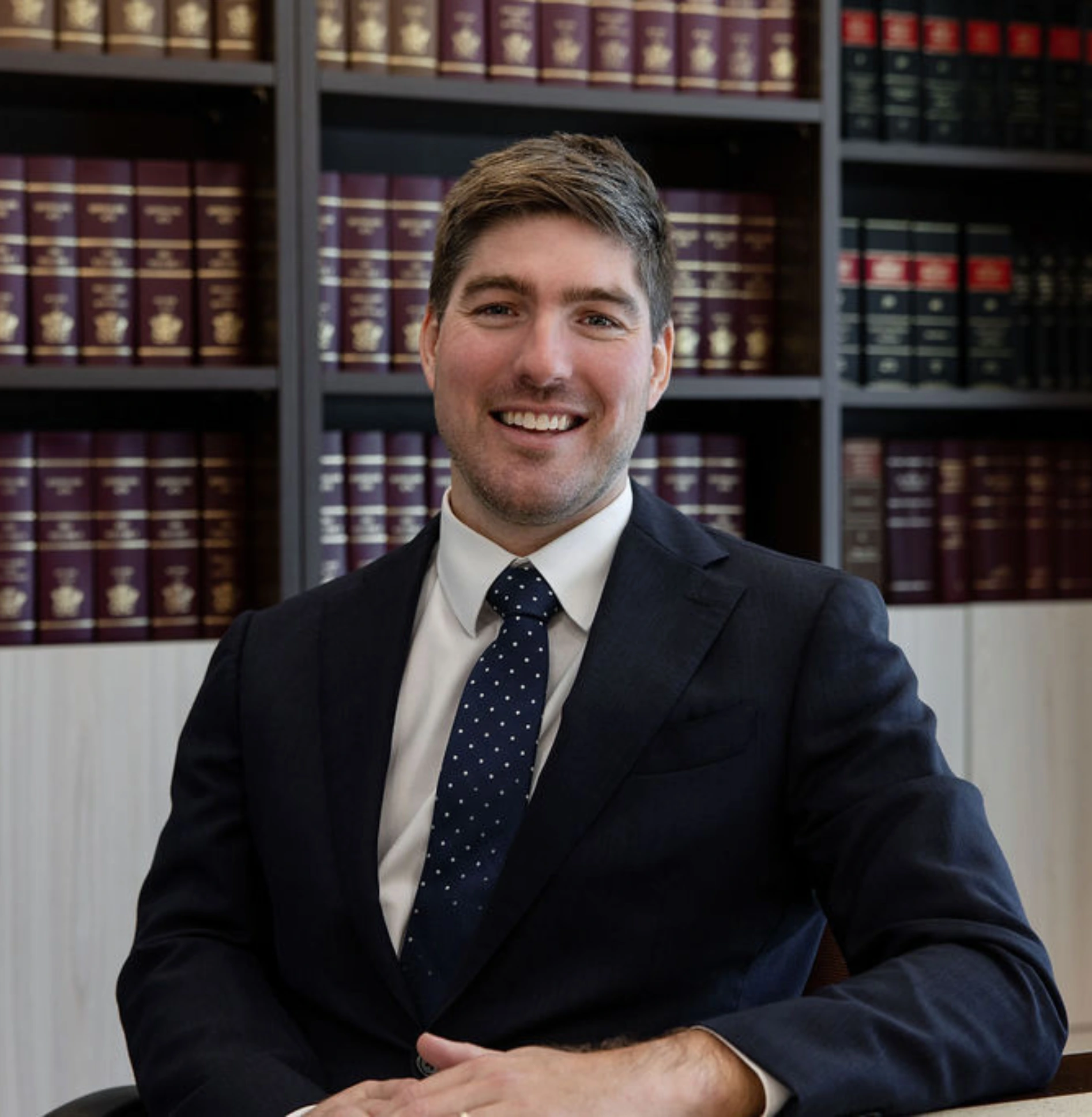
Formerly leading a conveyancing department in Victoria, she brings extensive expertise to her practice, thriving on the intersection of property law with commercial, estate, and family matters. In Commercial law, she crafts tailored strategies with real-world impact.

Miranda’s meticulous approach to reviewing contracts and agreements ensures her clients’ interests are always protected. She values Butler McDermott’s unique blend of progressive vision and traditional service, building genuine rapport with clients and the community alike.

George Cowan

Special Counsel – Personal Injuries

With over 35 years of experience, George Cowan is a steadfast advocate in personal injury and accident compensation law, dedicated to representing “the battlers and little guys” against powerful insurance companies.

Beginning his legal journey through QUT external studies and articles in Rockhampton, George built a strong foundation that underpins his extensive courtroom experience. An Accredited Specialist in Personal Injuries Law since 2002 and consistently recognised in Doyle’s Guide, he brings unmatched expertise to every case.

His service philosophy – personalised advice, fair fees, and a focus on outcomes – reflects Butler McDermott’s commitment to justice and community. From home visits to proactive case management, George ensures injured clients receive compassionate, accessible, and expert legal support on a no-win-no-fee basis.

Thomas McKee

Lawyer

Tom is a passionate and dynamic criminal lawyer at Butler McDermott Lawyers, known for his sharp courtroom advocacy and unwavering commitment to justice. A Bond University graduate (2016–2019), Tom’s rigorous legal education laid the foundation for his thriving career in criminal law. Drawn to the energy of the courtroom, he specialises in representing clients directly before judges and juries, crafting compelling arguments and advocating fearlessly on their behalf. Tom takes pride in guiding clients through the often-intimidating criminal justice process, ensuring they understand their legal options and working tirelessly to minimise disruption in their lives. His expertise extends to complex matters that overlap with other legal areas, such as domestic violence cases involving family law, where he thrives in Butler McDermott’s collaborative, full-service environment. Tom’s tenacity, clear communication, and client-first approach make him a formidable ally for anyone facing criminal charges.

Jamie Lee Hunt

Lawyer

Jamie Lee Hunt has been a cornerstone of Butler McDermott Lawyers since 2019, leading the Wills and Estates section with exceptional legal expertise and heartfelt empathy. A University of Sunshine Coast graduate with a Bachelor of Laws (2020), she completed her Practical Legal Training at the College of Law and was admitted to the Supreme Court of Queensland in 2021. She is currently pursuing a Master of Laws in Wills and Estates. Jamie’s passion lies in guiding individuals and families through emotionally complex estate matters with both precision and compassion. She excels in developing tailored strategies for complex estate litigation, building lasting client relationships along the way. Beyond her practice, Jamie is active in the Sunshine Coast Law Association and Queensland Law Society and serves as a Justice of the Peace. Her leadership reflects a deep commitment to her clients, profession, and community.

Peter Boyce

Consultant

Peter has been practising as a Nambour Solicitor since 1977 and joined Butler McDermott Lawyers the same year.

With over 40 years practicing as a Sunshine Coast lawyer, Peter has extensive knowledge of various facets of law.

He has practised in all areas of litigation and has special interests in:

  • Criminal law
  • Civil and Commercial litigation
  • Retirement Village matters
  • Sports law
  • Resumption of land and compensation claims


Peter has specialised knowledge of and experience with resumption matters as a result of the Traveston Dam project, road corridors, Main Roads and water pipeline. He is renowned for his professional approach and is an experienced and determined advocate.

Brent King

Solicitor/Director

Brent works as a litigation lawyer, providing litigation legal advice in relation to both civil and criminal law matters, including:

  • Defamation Claims
  • Contract and Debt Disputes
  • Building and Construction Disputes
  • Planning Matters
  • Criminal Law and Traffic Legal Matters

Having grown up on the Sunshine Coast and joining Butler McDermott after the completion of his studies, Brent appreciates the needs of our clients, and brings a particularly commercial approach to litigation.

Brent is a member of the Queensland Law Society and the Sunshine Coast Law Association, and has litigated a wide variety of matters in the Magistrates, District and Supreme Courts.

Al Upton

Solicitor/Director

After arriving at Butler McDermott Lawyers in 2016, Al quickly progressed to running our Wills and Estates section and has successfully litigated disputes in the Supreme and District Courts of Queensland in the early stages of his career.

In the years that followed Al has now moved to assist our clients with commercial and property matters having achieved positive outcomes in that area as well as general litigation. Al’s experience has him uniquely placed to provide quality advice in the areas of property, commercial, wills and estates and general litigation.

Al is involved in giving back to the community, sitting on the board for the Daniel Morcombe Foundation and Sundale Community Foundation. He otherwise became a director of Butler McDermott Lawyers in November 2021.