
6-8 William Street, Nambour, Sunshine Coast

Starting a Civil Case in Queensland? Here’s How to Prepare Your Disclosure Documents

What is disclosure in a Queensland civil case?

Disclosure is the legal process where you provide the other party with all documents in your possession or control that are directly relevant to the issues in dispute. It ensures both sides have access to key information and prevents surprises at trial.

Disclosure is a core part of civil litigation in Queensland and is required by law under the


What is disclosure in a Queensland civil case?

Disclosure is the legal process where you provide the other party with all documents in your possession or control that are directly relevant to the issues in dispute. It ensures both sides have access to key information and prevents surprises at trial.

Disclosure is a core part of civil litigation in Queensland and is required by law under the Uniform Civil Procedure Rules 1999 (Qld). It applies whether you’re bringing a claim or defending one.

Why does disclosure matter to your case?

If you don’t properly disclose documents, you may not be allowed to use them in court, even if they help your case. You could also be ordered to pay the other party’s legal costs.

At Butler McDermott Lawyers, our litigation team draws on over 100 years of experience supporting clients across the Sunshine Coast. We ensure you meet all disclosure requirements and avoid critical mistakes that could harm your outcome.


What counts as a ‘document’ for disclosure?

A ‘document’ includes any record of information, whether written, digital, or otherwise, that relates to the dispute. This definition goes far beyond just printed contracts or letters.

Examples include:

  • Text messages and call logs

  • Emails (personal or business)

  • Social media messages and posts

  • Invoices and receipts

  • Handwritten notes or diaries

  • Photographs (digital or printed)

  • Documents stored on phones, laptops, or cloud services


How do you know which documents to disclose?

You must disclose documents that are directly relevant to the issues being disputed in the case pleadings, such as your statement of claim, defence, or reply. If a document could help prove or disprove a key point that the other side hasn’t admitted, it likely needs to be disclosed.

If you’re unsure whether a document is relevant, the safest option is to flag it for our team. We’ll help you assess it based on the specific facts of your case.


What’s the difference between documents in your possession and under your control?

You must disclose documents you physically have (possession) and those you can obtain from someone else (control). Control means you’re entitled to request a copy, such as from your bank or doctor.

Here are examples:

  • In your possession: Photos or texts stored on your phone, printed receipts, emails saved on your computer

  • Under your control: Tax records from your accountant, medical reports from your GP, financial statements from your bank


What’s the best way to start preparing your disclosure documents?

Begin by searching your records and identifying anything that may relate to the dispute. Then organise those documents electronically and provide a brief description of each to help your legal team assess relevance.

Here’s a simple process to follow:

1. Review the key issues in dispute

Ask yourself:

  • What am I trying to prove or disprove?

  • What allegations or denials are at the centre of the dispute?

2. Search for relevant documents

Look across:

  • Emails (inboxes and deleted folders)

  • Text messages or WhatsApp conversations

  • Notes, photos, receipts, voice memos

  • Your phone, laptop, cloud drives, printed records

3. List and label your findings

Create a document list with short descriptions, such as:

  • “Email from supplier re: delivery delays – 18 May 2023”

  • “Screenshot of invoice paid – 2 Jan 2024”

  • “Photo of damaged fence – 7 July 2024”

4. Send them to your legal team

We’ll assess what must be disclosed and prepare the formal disclosure list.


Do you need to keep disclosing documents after the list is submitted?

Yes. Your duty of disclosure continues until the case is finalised. If new documents are discovered or the pleadings change, you must disclose any newly relevant documents within 7 days.

At Butler McDermott Lawyers, we help you stay compliant every step of the way. We monitor changes in your case and follow up on any additional disclosure needs as they arise.


What happens if you don’t comply with disclosure rules?

Failing to disclose relevant documents can have serious consequences. You may:

  • Lose the right to rely on the document in court

  • Face adverse cost orders

  • Damage your credibility with the court

That’s why we take a proactive, detail-oriented approach to disclosure. We protect your rights while ensuring full compliance with Queensland law.


How can Butler McDermott Lawyers help with disclosure?

We make the disclosure process straightforward and stress-free. Our litigation team will:

  • Explain your disclosure duties in plain English

  • Help you identify and organise relevant documents

  • Prepare your formal disclosure list and manage deadlines

  • Guide you through any updates or disputes about disclosure

With over a century of experience in Queensland litigation and a reputation built on trust, we’re here to support you at every stage of your civil case.


Need guidance on disclosure in your civil case?

Don’t risk your case by getting disclosure wrong. Our experienced litigation team will help you prepare the right documents, meet all court deadlines, and protect your position from day one.

Contact us today on 07 5648 2818 or visit butlermcdermottlawyers.com to book a consultation. We’ll provide clear, practical advice tailored to your situation so you can move forward with confidence.


It applies whether you’re bringing a claim or defending one.


Why does disclosure matter to your case?

If you don’t properly disclose documents, you may not be allowed to use them in court, even if they help your case. You could also be ordered to pay the other party’s legal costs.

At Butler McDermott Lawyers, our litigation team draws on over 100 years of experience supporting clients across the Sunshine Coast. We ensure you meet all disclosure requirements and avoid critical mistakes that could harm your outcome.


What counts as a ‘document’ for disclosure?

A ‘document’ includes any record of information, whether written, digital, or otherwise, that relates to the dispute. This definition goes far beyond just printed contracts or letters.

Examples include:

  • Text messages and call logs

  • Emails (personal or business)

  • Social media messages and posts

  • Invoices and receipts

  • Handwritten notes or diaries

  • Photographs (digital or printed)

  • Documents stored on phones, laptops, or cloud services


How do you know which documents to disclose?

You must disclose documents that are directly relevant to the issues being disputed in the case pleadings, such as your statement of claim, defence, or reply. If a document could help prove or disprove a key point that the other side hasn’t admitted, it likely needs to be disclosed.

If you’re unsure whether a document is relevant, the safest option is to flag it for our team. We’ll help you assess it based on the specific facts of your case.


What’s the difference between documents in your possession and under your control?

You must disclose documents you physically have (possession) and those you can obtain from someone else (control). Control means you’re entitled to request a copy, such as from your bank or doctor.

Here are examples:

  • In your possession: Photos or texts stored on your phone, printed receipts, emails saved on your computer

  • Under your control: Tax records from your accountant, medical reports from your GP, financial statements from your bank

What’s the best way to start preparing your disclosure documents?

Begin by searching your records and identifying anything that may relate to the dispute. Then organise those documents electronically and provide a brief description of each to help your legal team assess relevance.

Here’s a simple process to follow:

1. Review the key issues in dispute

Ask yourself:

  • What am I trying to prove or disprove?

  • What allegations or denials are at the centre of the dispute?

2. Search for relevant documents

Look across:

  • Emails (inboxes and deleted folders)

  • Text messages or WhatsApp conversations

  • Notes, photos, receipts, voice memos

  • Your phone, laptop, cloud drives, printed records

3. List and label your findings

Create a document list with short descriptions, such as:

  • “Email from supplier re: delivery delays – 18 May 2023”

  • “Screenshot of invoice paid – 2 Jan 2024”

  • “Photo of damaged fence – 7 July 2024”

4. Send them to your legal team

We’ll assess what must be disclosed and prepare the formal disclosure list.


Do you need to keep disclosing documents after the list is submitted?

Yes. Your duty of disclosure continues until the case is finalised. If new documents are discovered or the pleadings change, you must disclose any newly relevant documents within 7 days.

At Butler McDermott Lawyers, we help you stay compliant every step of the way. We monitor changes in your case and follow up on any additional disclosure needs as they arise.


What happens if you don’t comply with disclosure rules?

Failing to disclose relevant documents can have serious consequences. You may:

  • Lose the right to rely on the document in court

  • Face adverse cost orders

  • Damage your credibility with the court

That’s why we take a proactive, detail-oriented approach to disclosure. We protect your rights while ensuring full compliance with Queensland law.


How can Butler McDermott Lawyers help with disclosure?

We make the disclosure process straightforward and stress-free. Our litigation team will:

  • Explain your disclosure duties in plain English

  • Help you identify and organise relevant documents

  • Prepare your formal disclosure list and manage deadlines

  • Guide you through any updates or disputes about disclosure

With over a century of experience in Queensland litigation and a reputation built on trust, we’re here to support you at every stage of your civil case.


Need guidance on disclosure in your civil case?

Don’t risk your case by getting disclosure wrong. Our experienced litigation team will help you prepare the right documents, meet all court deadlines, and protect your position from day one.

Contact us today on 07 5441 1044 or visit butlermcdermottlawyers.com to book a consultation. We’ll provide clear, practical advice tailored to your situation so you can move forward with confidence.
More news from Butler McDermott Lawyers

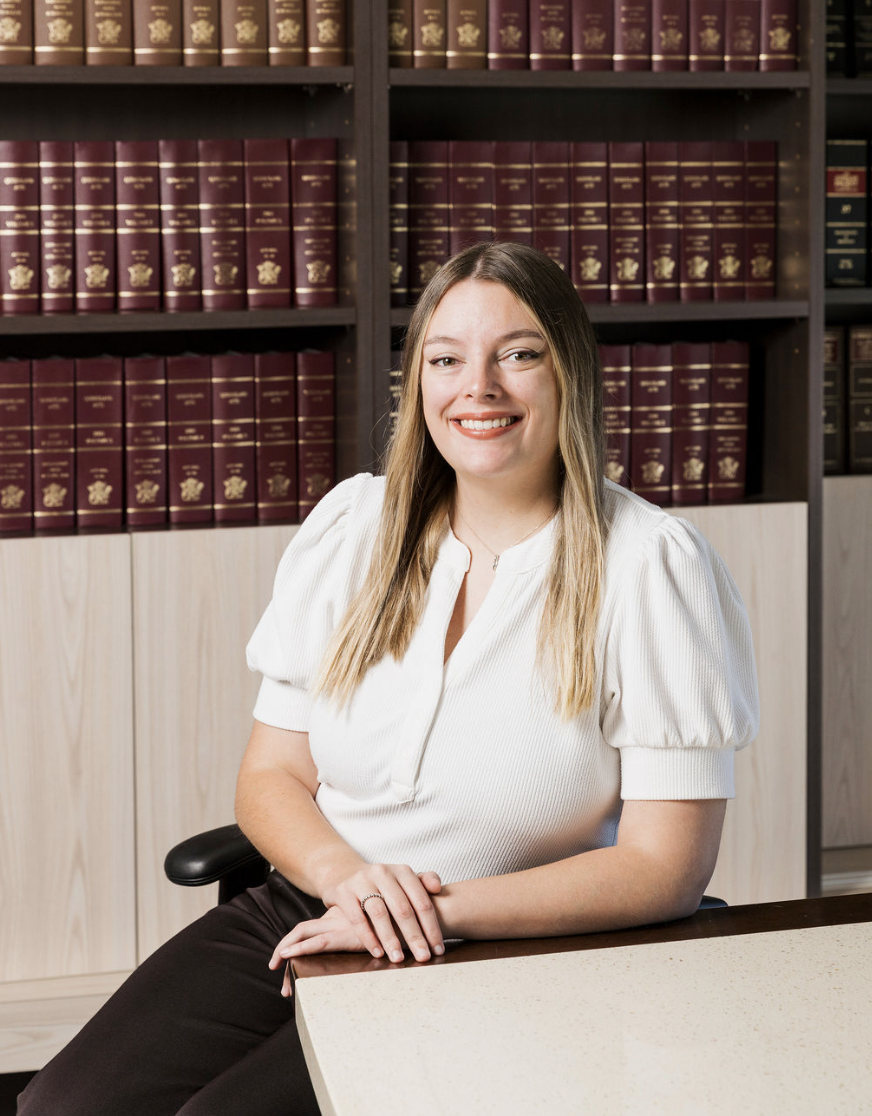
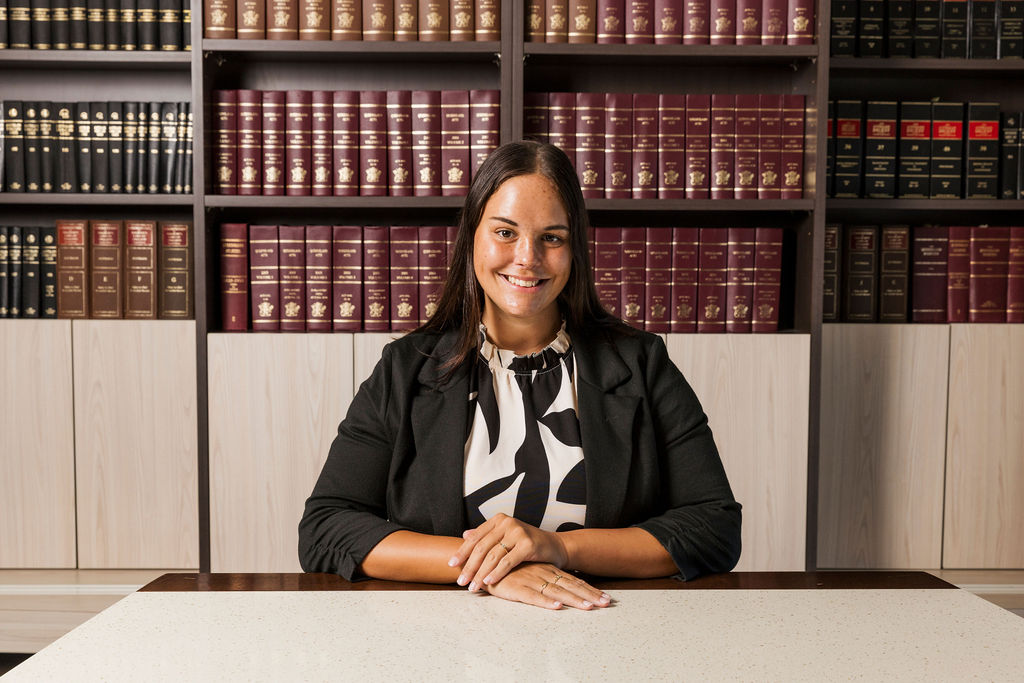
Jade Simpkins

Business Operations Coordinator

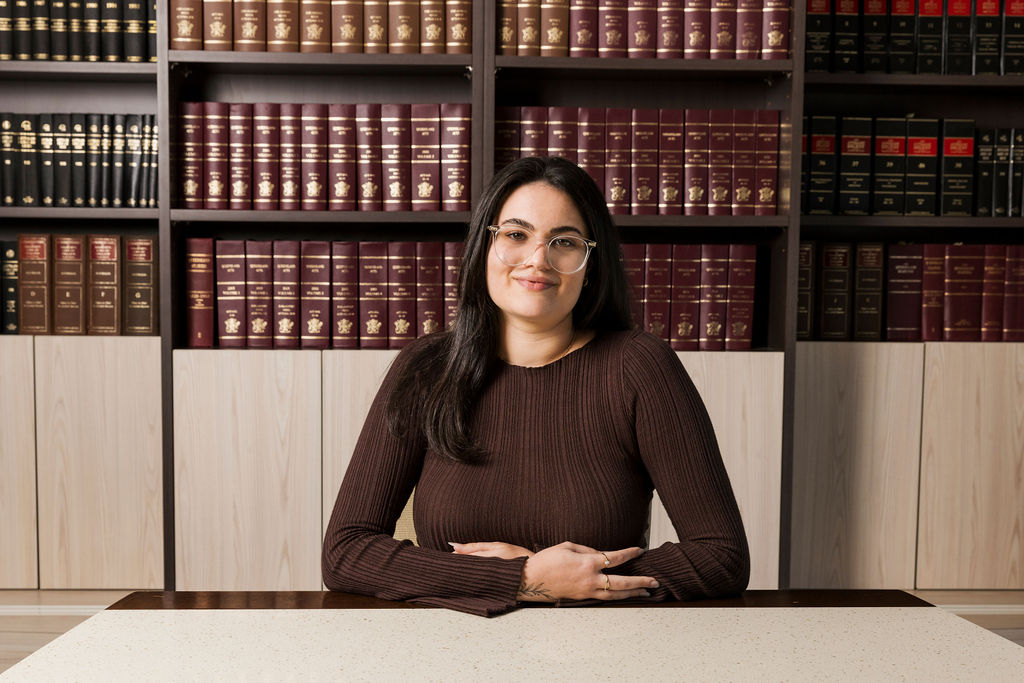
Mikaelah Marrable

Lawyer

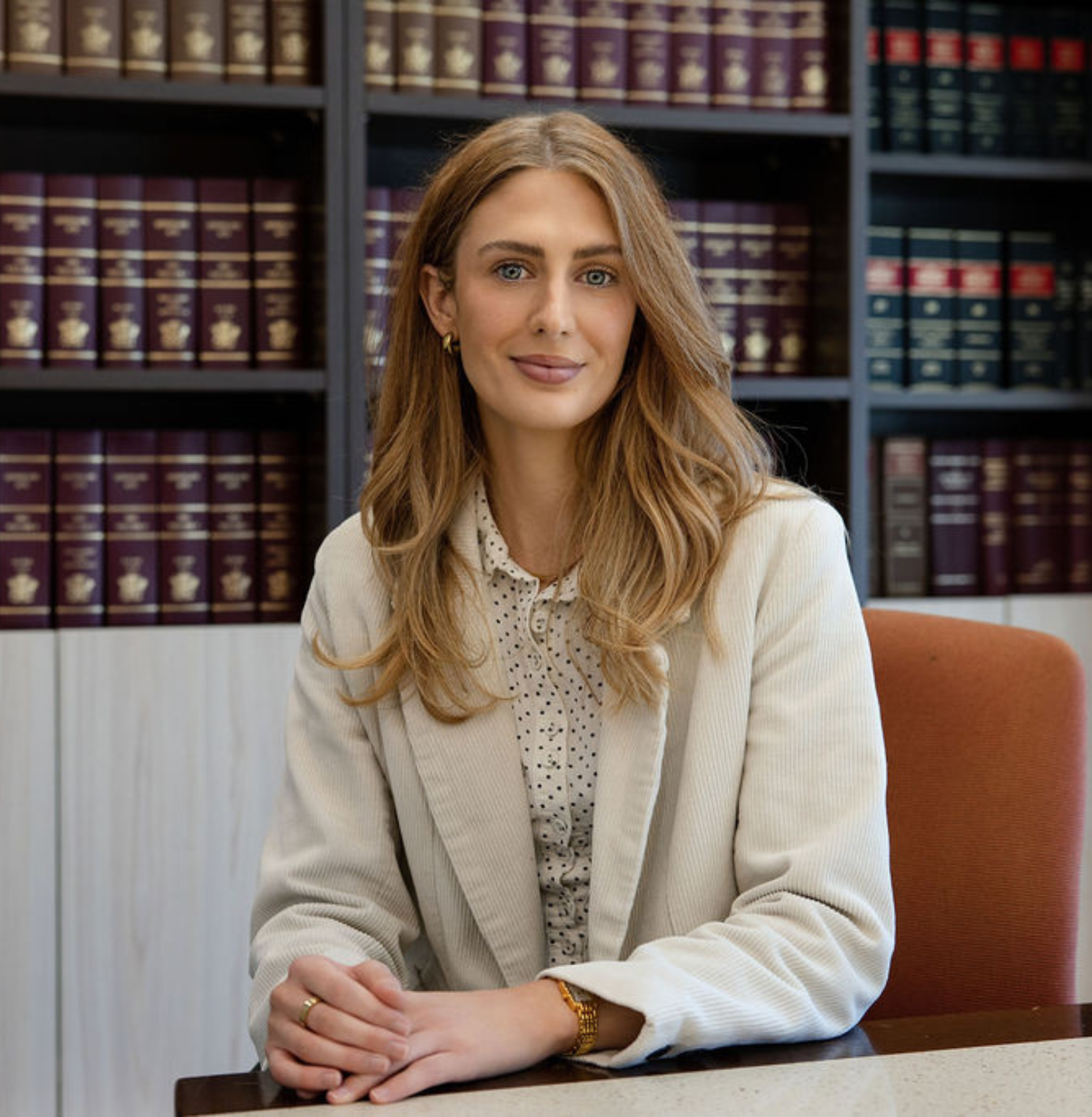
Mikaelah is a dedicated family law solicitor at Butler McDermott Lawyers, guiding clients through some of life’s most pivotal and emotional moments with empathy and expertise.

Having studied law at the University of the Sunshine Coast and Central Queensland University, she has devoted her career to family law, an area she believes chose her as much as she chose it.

Mikaelah is passionate about helping clients navigate parenting arrangements, property settlements, and emotionally complex situations with clarity and confidence. She’s witnessed significant changes in family law, including stronger protections for victims of family and domestic violence and a heightened focus on children’s best interests, which align with her commitment to supporting vulnerable individuals.
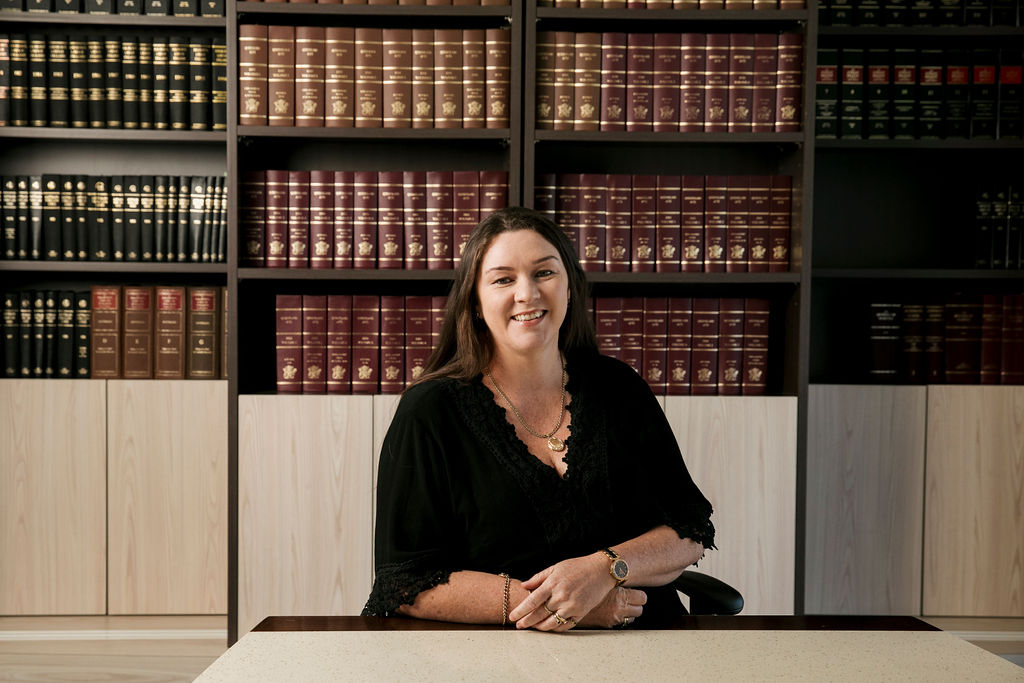
Currently completing a Masters of Family and Domestic Violence, Mikaelah combines legal knowledge with a deeply personal approach. Backed by Butler McDermott’s collaborative team, she ensures clients receive comprehensive, compassionate support through every stage of their journey.

Callum Neal

Lawyer

Callum is a cornerstone of Butler McDermott Lawyers, known for his sharp legal mind, strategic approach, and dedication to client advocacy.

After completing his law studies at Griffith University (2014–2019) and earning a dual degree in commerce with a major in economics, Callum began his career in civil and commercial litigation before expanding into property and criminal law in 2021.

Passionate about litigation, he thrives on strategising cases from start to finish, guiding clients through complex legal challenges with clarity and determination. He’s driven by the competitive, rewarding nature of litigation and is committed to achieving swift, cost-effective results while supporting clients through emotionally demanding processes.

 His blend of legal expertise, strategic thinking, and community engagement make him a trusted advocate and a vital member of the firm.

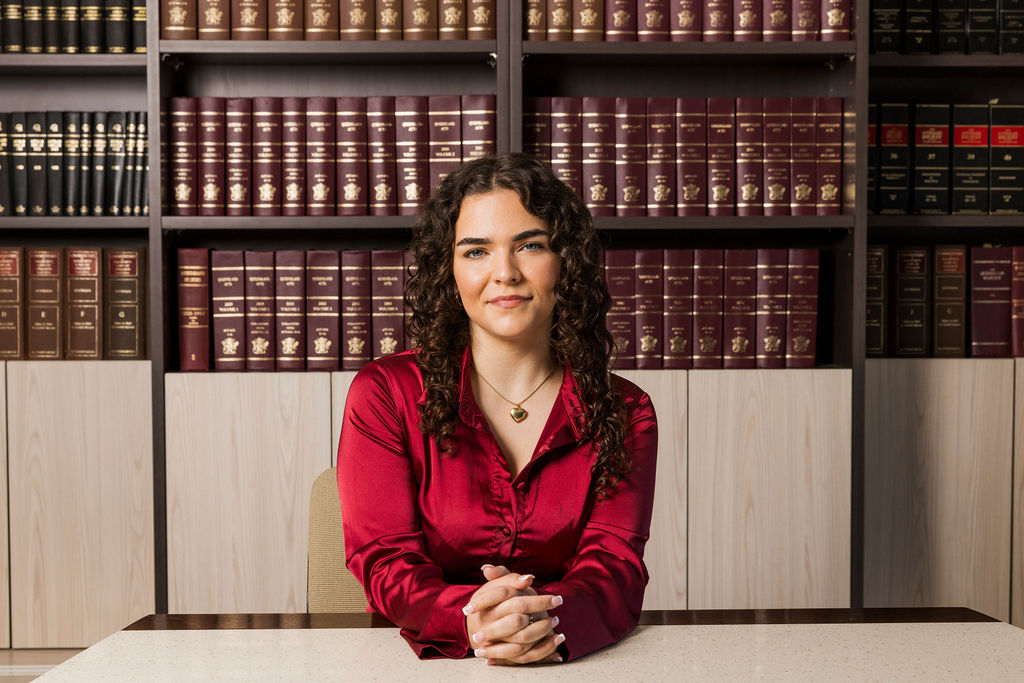
Cheney Sewpersad

Lawyer

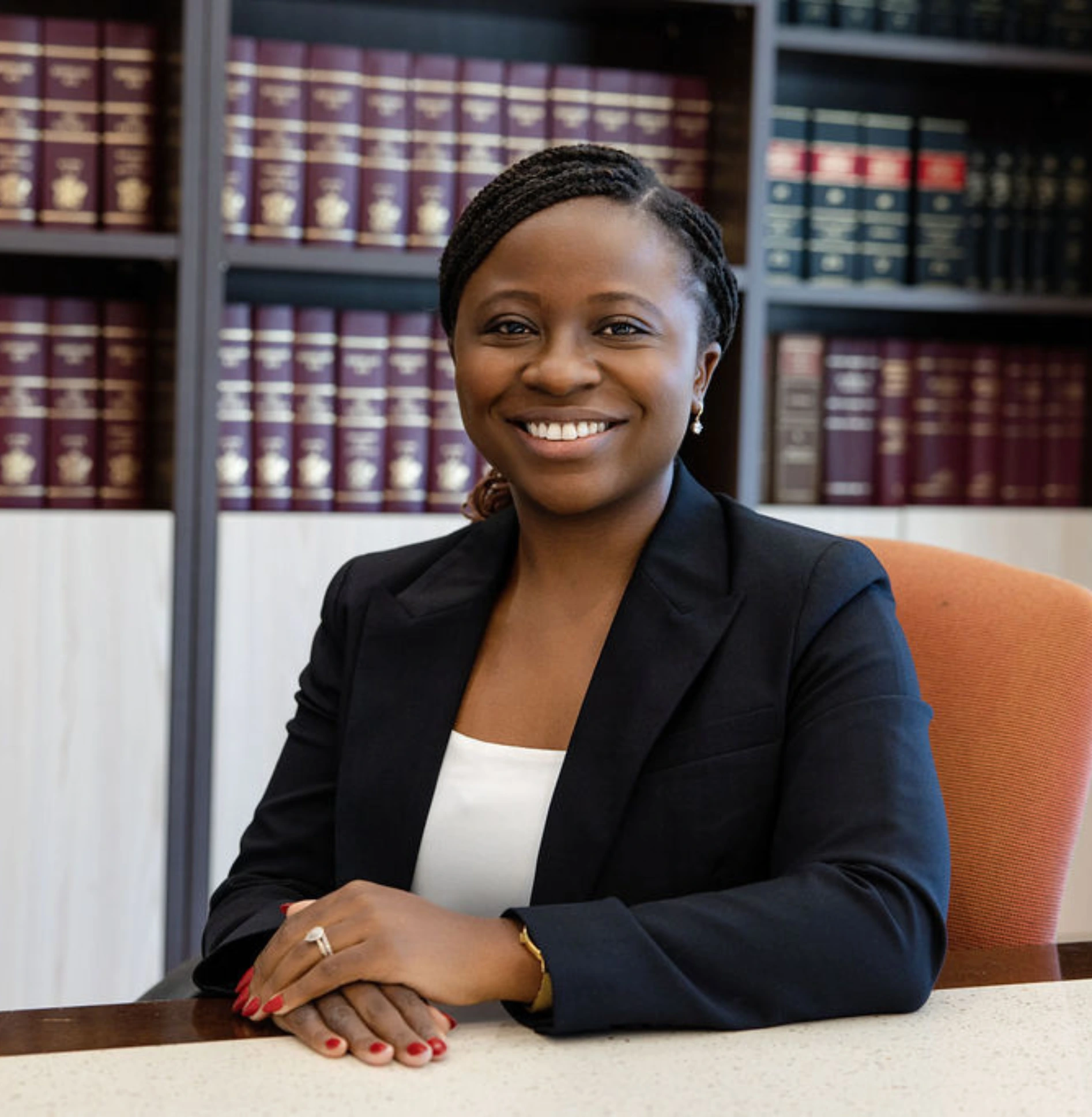
Cheney is a valued member of Butler McDermott Lawyers’ Personal Injuries Department, guiding clients through some of the most challenging times in their lives with clarity, compassion, and determination.

After completing a dual degree in Law and Criminology and Justice at the University of the Sunshine Coast (2018–2022) and graduating in 2023, Cheney began her legal career with a strong foundation in both legal principles and the broader justice system.

She focuses on personal injury and civil litigation, helping individuals affected by motor vehicle accidents, workplace incidents, public liability matters, and medical negligence navigate complex legal processes.

Cheney embraces evolving legal practices, with many of her matters resolved efficiently during the pre-court phase, achieving timely and cost-effective outcomes for clients. Deeply committed to making a meaningful impact, Cheney takes pride in supporting injured individuals and their families while growing her expertise toward becoming an accredited specialist in personal injuries law.

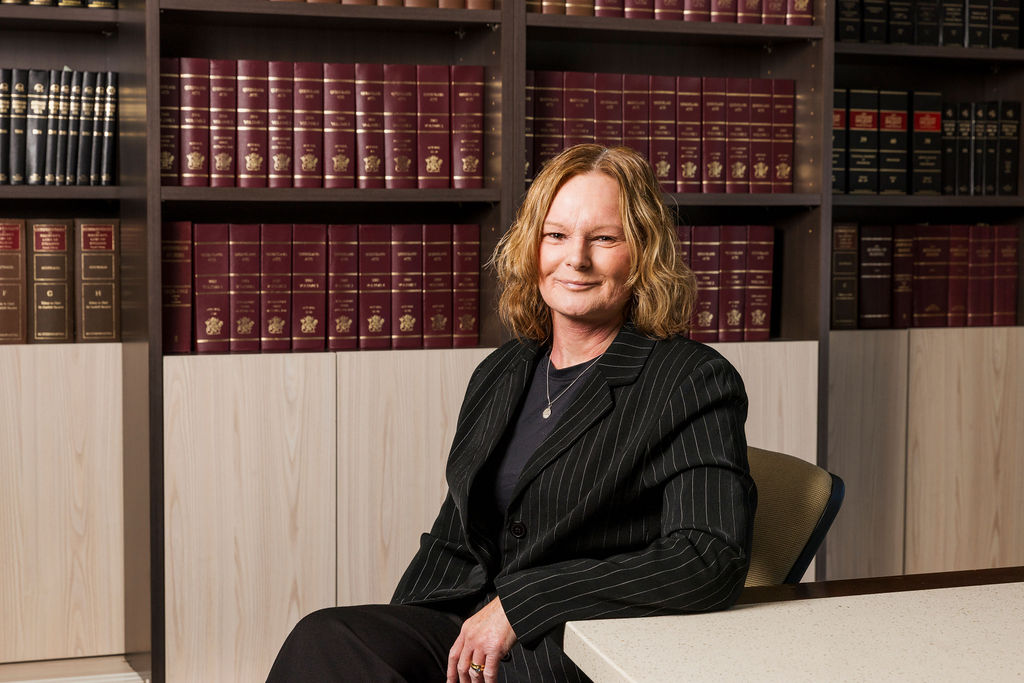
Kimberley Jane Sutton

Conveyancer

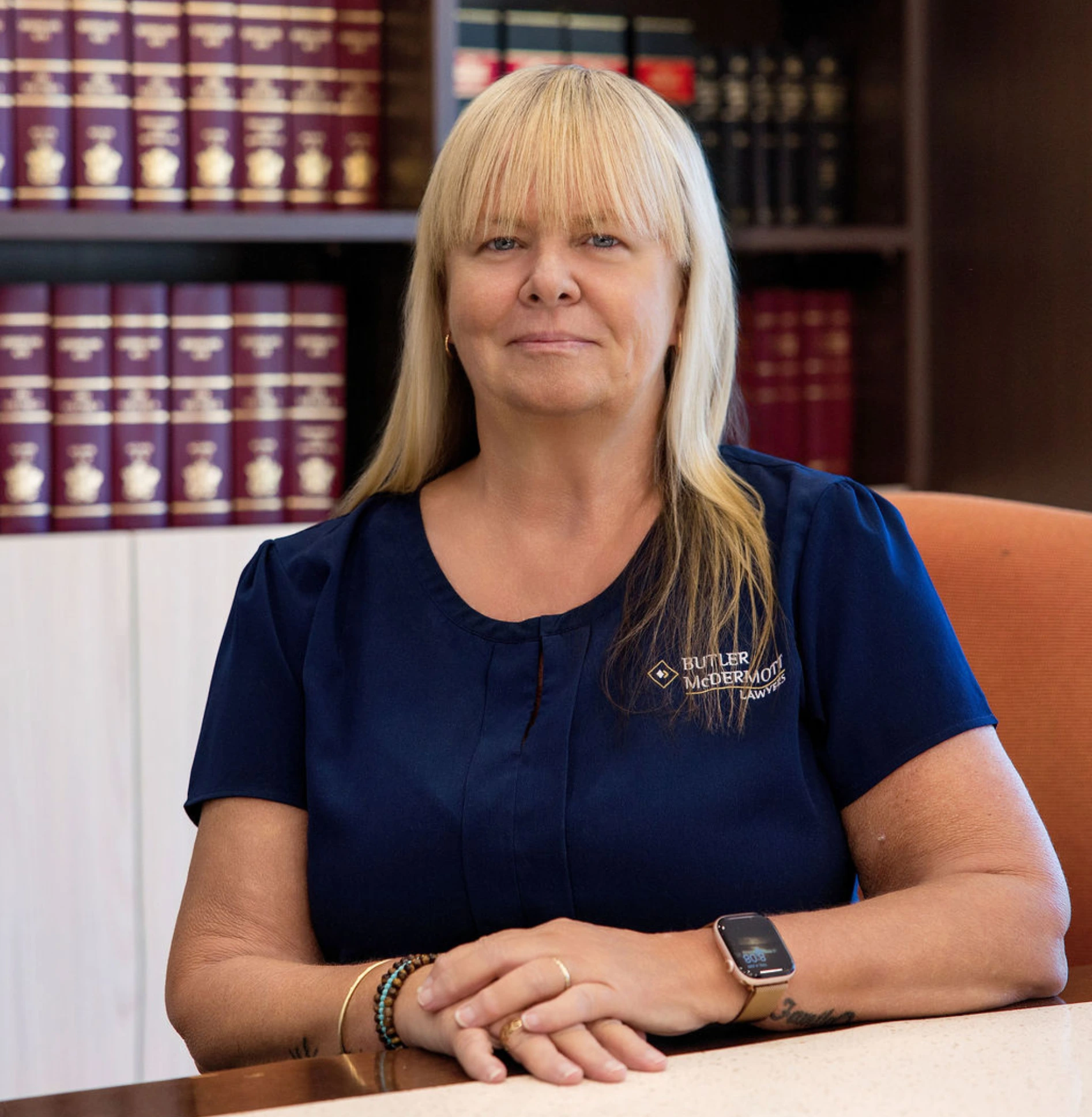
Kimberley Sutton is a highly respected conveyancer at Butler McDermott Lawyers, bringing over two decades of dedicated experience to the Sunshine Coast property industry.

Beginning her career at just 17, Kim has specialised in property transactions since 1999, earning a reputation for precision, efficiency, and unwavering client care. She expertly guides clients through significant milestones, whether buying their first home or selling a long-held property, ensuring every transaction is seamless and stress-free.

A valued member of Butler McDermott’s team, Kim embodies the firm’s century-long legacy of trust and excellence, fostering enduring relationships that often span generations. She’s widely respected by real estate professionals, mortgage brokers, and industry peers for her integrity and meticulous attention to detail. Supported by the firm’s collaborative leadership, Kim continues to set the standard for conveyancing on the Sunshine Coast, providing exceptional service and guidance at every step.

Miranda Osman

Lawyer

Miranda is a dynamic legal professional at Butler McDermott Lawyers, specialising in Commercial and Property law.

With a sharp eye for detail and a passion for client-focused solutions, she excels at turning complex legal challenges into opportunities for success. After studying law and criminology at Deakin University, while working full-time and completing a study abroad program, Miranda was admitted to the Supreme Court of Victoria in 2022 and to the Queensland Supreme Court in 2023.

Formerly leading a conveyancing department in Victoria, she brings extensive expertise to her practice, thriving on the intersection of property law with commercial, estate, and family matters. In Commercial law, she crafts tailored strategies with real-world impact.

Miranda’s meticulous approach to reviewing contracts and agreements ensures her clients’ interests are always protected. She values Butler McDermott’s unique blend of progressive vision and traditional service, building genuine rapport with clients and the community alike.

George Cowan

Special Counsel – Personal Injuries

With over 35 years of experience, George Cowan is a steadfast advocate in personal injury and accident compensation law, dedicated to representing “the battlers and little guys” against powerful insurance companies.

Beginning his legal journey through QUT external studies and articles in Rockhampton, George built a strong foundation that underpins his extensive courtroom experience. An Accredited Specialist in Personal Injuries Law since 2002 and consistently recognised in Doyle’s Guide, he brings unmatched expertise to every case.
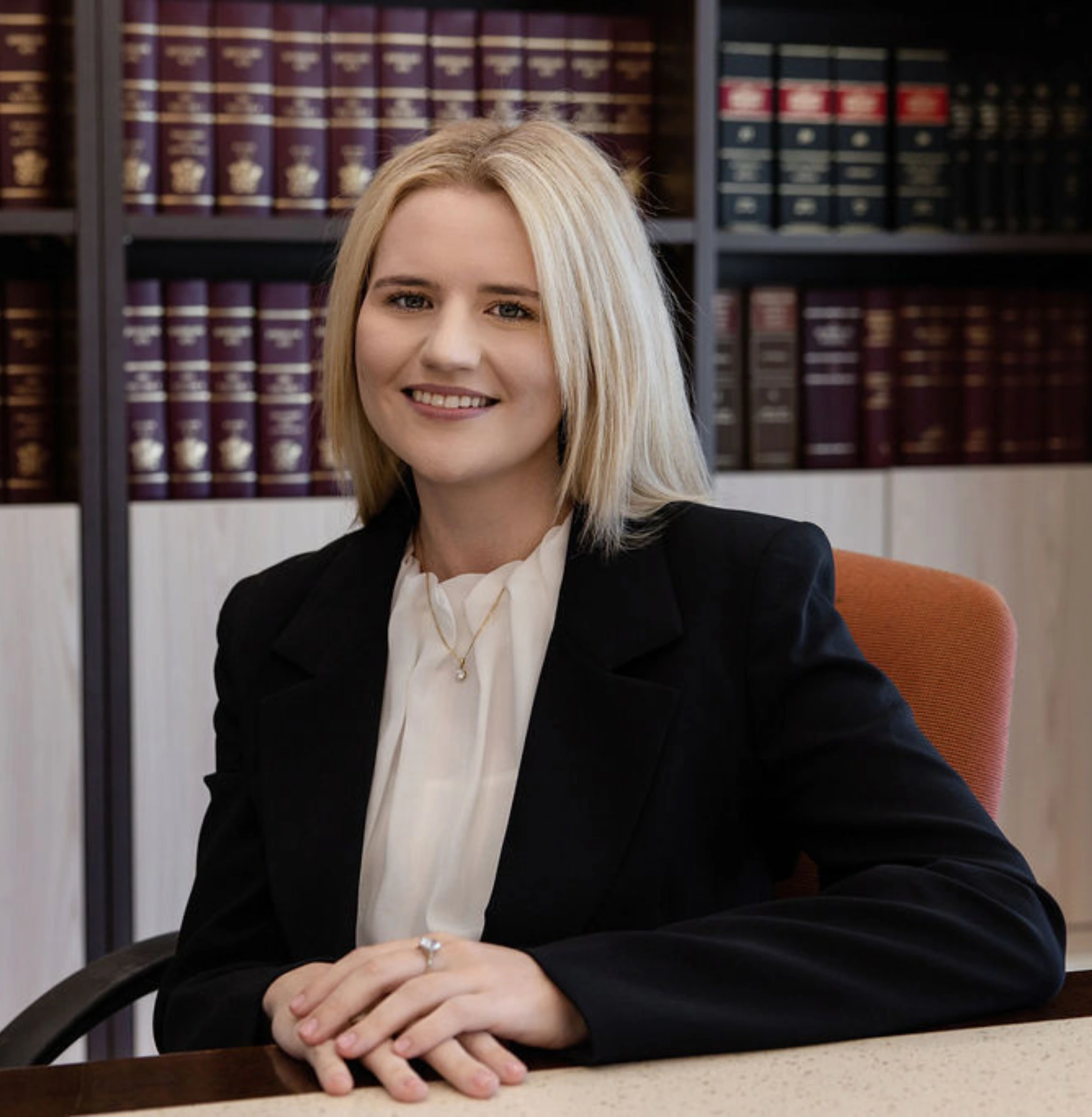
His service philosophy – personalised advice, fair fees, and a focus on outcomes – reflects Butler McDermott’s commitment to justice and community. From home visits to proactive case management, George ensures injured clients receive compassionate, accessible, and expert legal support on a no-win-no-fee basis.

Thomas McKee

Lawyer

Tom is a passionate and dynamic criminal lawyer at Butler McDermott Lawyers, known for his sharp courtroom advocacy and unwavering commitment to justice. A Bond University graduate (2016–2019), Tom’s rigorous legal education laid the foundation for his thriving career in criminal law. Drawn to the energy of the courtroom, he specialises in representing clients directly before judges and juries, crafting compelling arguments and advocating fearlessly on their behalf. Tom takes pride in guiding clients through the often-intimidating criminal justice process, ensuring they understand their legal options and working tirelessly to minimise disruption in their lives. His expertise extends to complex matters that overlap with other legal areas, such as domestic violence cases involving family law, where he thrives in Butler McDermott’s collaborative, full-service environment. Tom’s tenacity, clear communication, and client-first approach make him a formidable ally for anyone facing criminal charges.
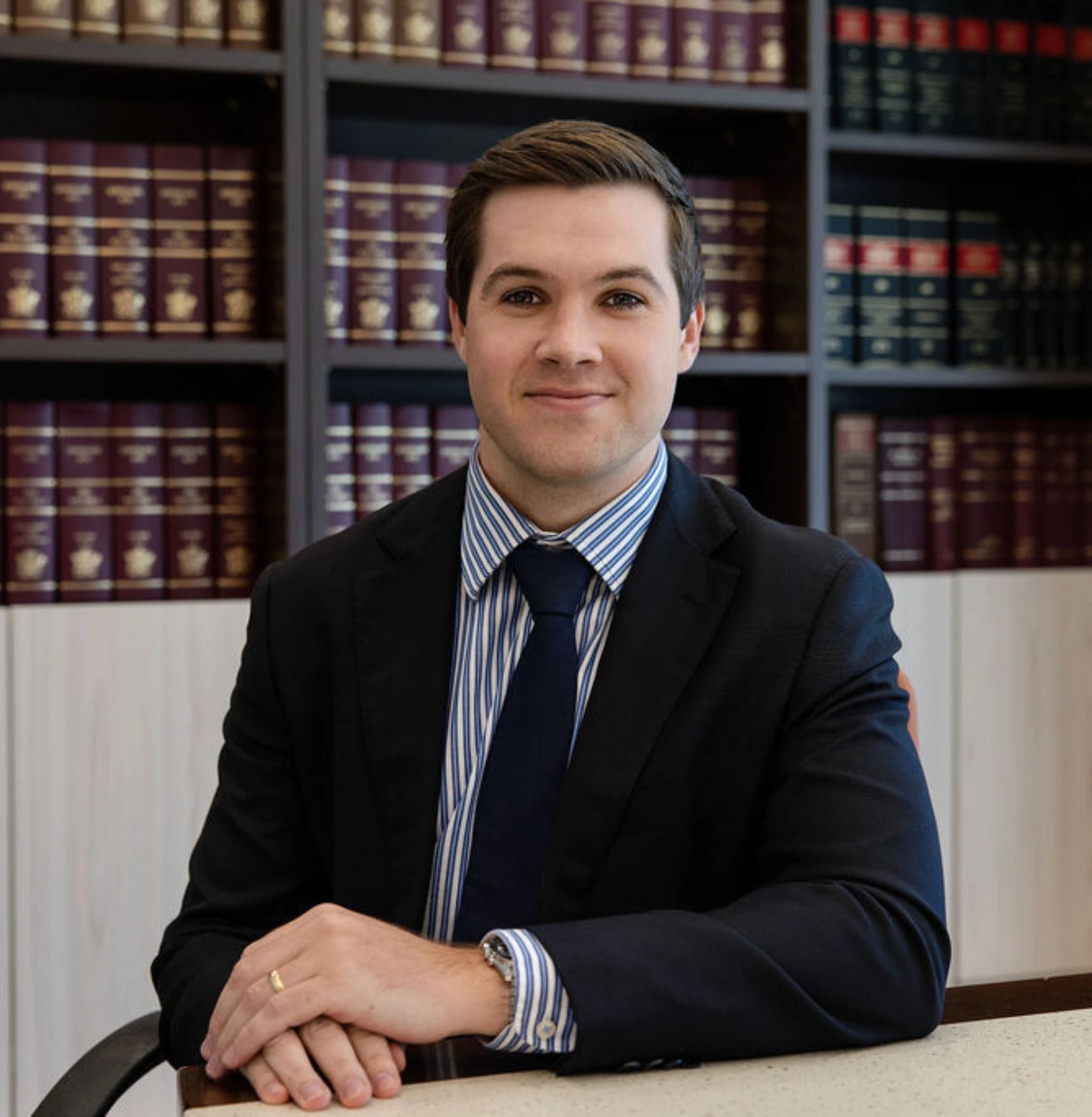
Jamie Lee Hunt

Lawyer

Jamie Lee Hunt has been a cornerstone of Butler McDermott Lawyers since 2019, leading the Wills and Estates section with exceptional legal expertise and heartfelt empathy. A University of Sunshine Coast graduate with a Bachelor of Laws (2020), she completed her Practical Legal Training at the College of Law and was admitted to the Supreme Court of Queensland in 2021. She is currently pursuing a Master of Laws in Wills and Estates. Jamie’s passion lies in guiding individuals and families through emotionally complex estate matters with both precision and compassion. She excels in developing tailored strategies for complex estate litigation, building lasting client relationships along the way. Beyond her practice, Jamie is active in the Sunshine Coast Law Association and Queensland Law Society and serves as a Justice of the Peace. Her leadership reflects a deep commitment to her clients, profession, and community.
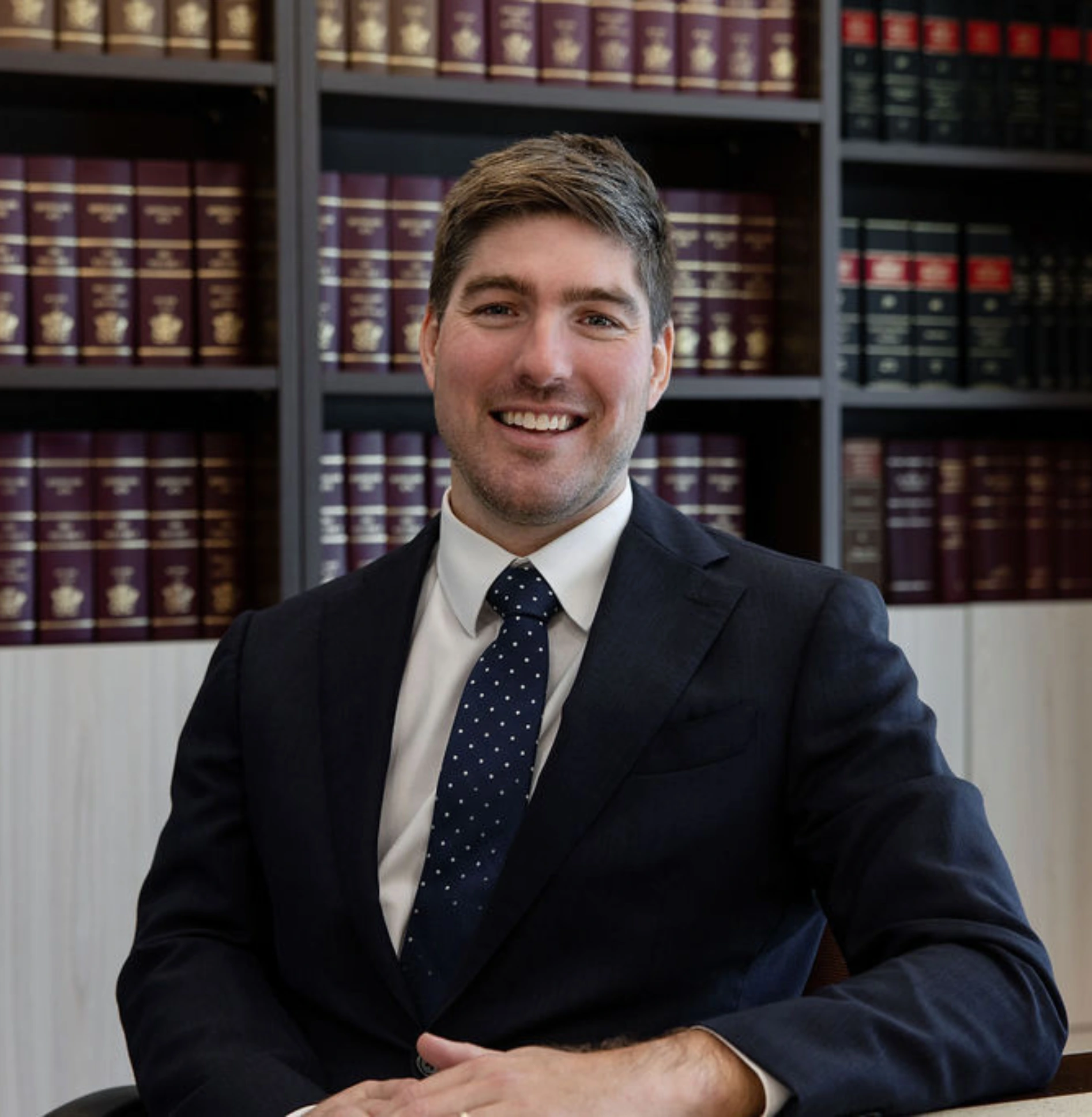
Peter Boyce

Consultant

Peter has been practising as a Nambour Solicitor since 1977 and joined Butler McDermott Lawyers the same year.

With over 40 years practicing as a Sunshine Coast lawyer, Peter has extensive knowledge of various facets of law.

He has practised in all areas of litigation and has special interests in:

  • Criminal law
  • Civil and Commercial litigation
  • Retirement Village matters
  • Sports law
  • Resumption of land and compensation claims


Peter has specialised knowledge of and experience with resumption matters as a result of the Traveston Dam project, road corridors, Main Roads and water pipeline. He is renowned for his professional approach and is an experienced and determined advocate.

Brent King

Solicitor/Director

Brent works as a litigation lawyer, providing litigation legal advice in relation to both civil and criminal law matters, including:

  • Defamation Claims
  • Contract and Debt Disputes
  • Building and Construction Disputes
  • Planning Matters
  • Criminal Law and Traffic Legal Matters

Having grown up on the Sunshine Coast and joining Butler McDermott after the completion of his studies, Brent appreciates the needs of our clients, and brings a particularly commercial approach to litigation.

Brent is a member of the Queensland Law Society and the Sunshine Coast Law Association, and has litigated a wide variety of matters in the Magistrates, District and Supreme Courts.

Al Upton

Solicitor/Director

After arriving at Butler McDermott Lawyers in 2016, Al quickly progressed to running our Wills and Estates section and has successfully litigated disputes in the Supreme and District Courts of Queensland in the early stages of his career.

In the years that followed Al has now moved to assist our clients with commercial and property matters having achieved positive outcomes in that area as well as general litigation. Al’s experience has him uniquely placed to provide quality advice in the areas of property, commercial, wills and estates and general litigation.

Al is involved in giving back to the community, sitting on the board for the Daniel Morcombe Foundation and Sundale Community Foundation. He otherwise became a director of Butler McDermott Lawyers in November 2021.